Is Custom Clothing Private Label Becoming the Mainstream of Fashion?
In today’s evolving fashion industry, custom clothing private label is increasingly seen as a major driving force behind modern brand development. Unlike traditional mass production, private label manufacturing allows brands to fully control design, fabric, and branding identity. This shift raises an important question: Is custom clothing private label becoming the mainstream of fashion? The answer is increasingly yes, as consumers now value individuality, fit, and brand uniqueness more than ever before.
One of the strongest proofs of this trend is the rapid growth of custom made plus size clothing. The fashion industry is moving toward inclusivity, and brands that offer extended sizing through customization are gaining a competitive edge. Instead of standard sizing limitations, private label production allows flexible development that better reflects real consumer diversity.
In the activewear segment, custom apparel and sportswear has become a key category for both startups and established brands. Fitness culture and athleisure trends have pushed demand for unique, branded sportswear that goes beyond generic designs. This category clearly shows how customization is reshaping mainstream fashion expectations.
Similarly, beachwear fashion has been transformed by custom design swimwear. Consumers now look for unique cuts, colors, and branding rather than standard seasonal collections. Private label swimwear allows brands to quickly respond to trends while maintaining full creative control, which is a major advantage in a fast-moving market.
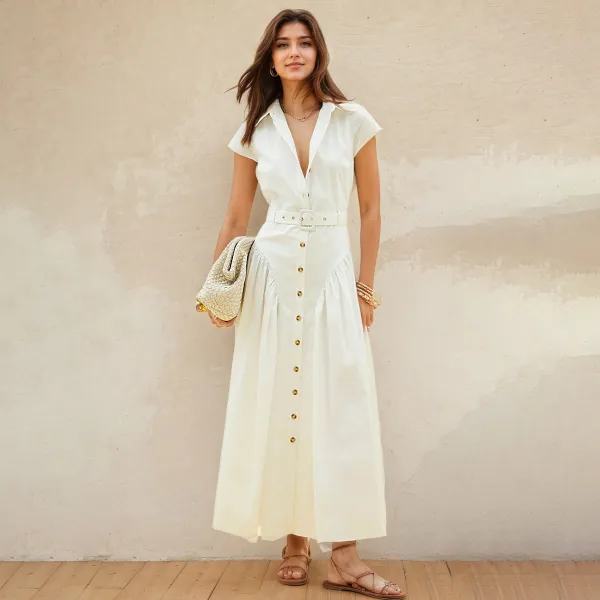
In women’s fashion, Custom Dresses continue to represent elegance combined with personalization. Instead of mass-produced seasonal styles, brands can now design dresses that reflect their identity and target audience more precisely. This shift shows how customization is redefining even traditional fashion categories.
Another growing segment is custom women's sets, which combine coordinated tops and bottoms into unified fashion statements. These sets are especially popular among younger consumers who value both convenience and style. Private label production allows brands to experiment with different combinations and quickly adapt to market preferences.
Accessories also play an important role in the customization trend, especially with customized socks. What was once a basic clothing item has now become a branding opportunity. Companies use customized socks for fashion branding, promotional products, and lifestyle collections, proving that no category is too small for private label innovation.
Denim fashion is also evolving through custom jeans for women. Instead of standardized fits, brands can now design jeans tailored to specific body shapes, styles, and washes. This level of personalization significantly improves customer satisfaction and strengthens brand loyalty in a highly competitive market.
Finally, intimate wear has seen a major transformation through customized lingerie. Consumers increasingly demand comfort, fit, and aesthetic personalization in lingerie. Private label production enables brands to create collections that are both functional and emotionally appealing, reinforcing the idea that customization is becoming a dominant force in modern fashion.
Overall, the rise of custom clothing private label clearly indicates that fashion is moving away from mass production and toward personalization, inclusivity, and brand individuality—making it a strong candidate for the new mainstream of the global fashion industry.

Comments
Post a Comment